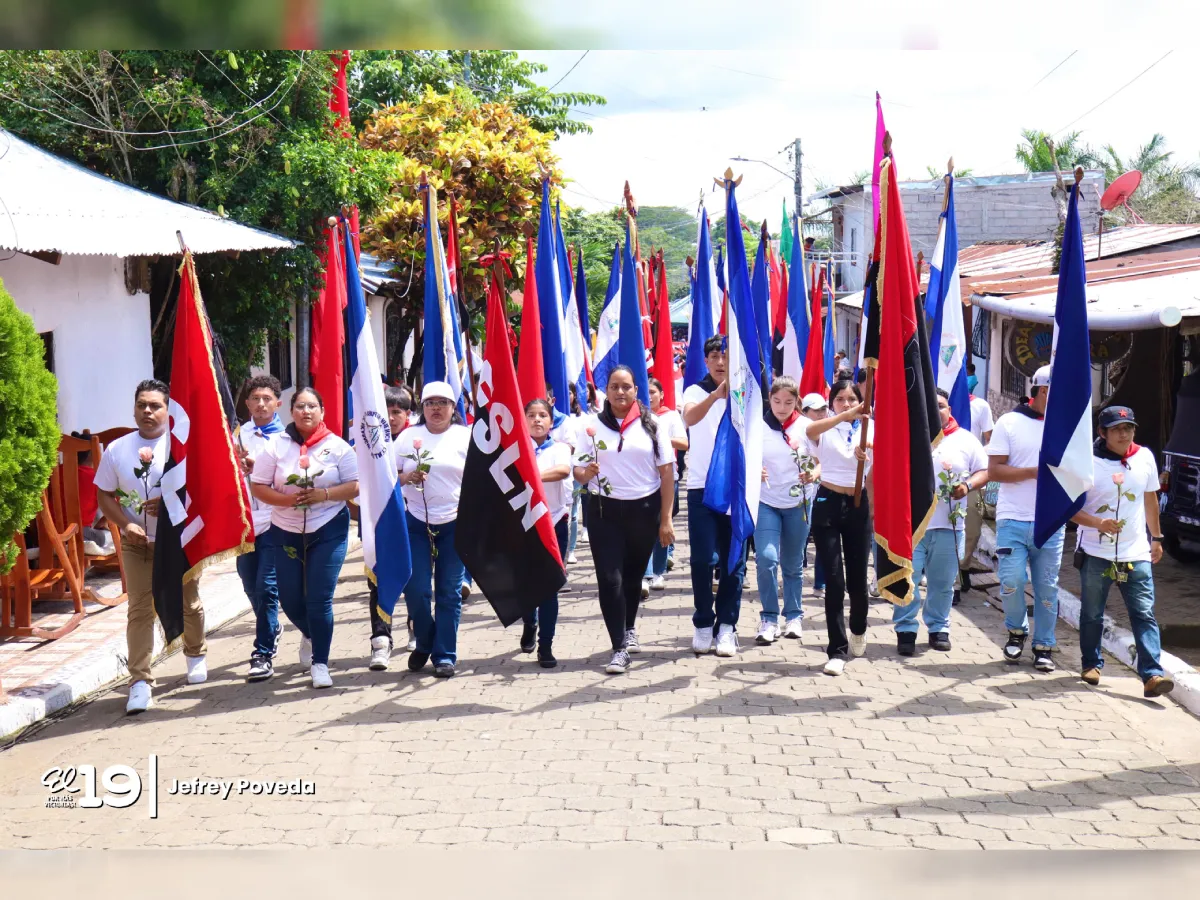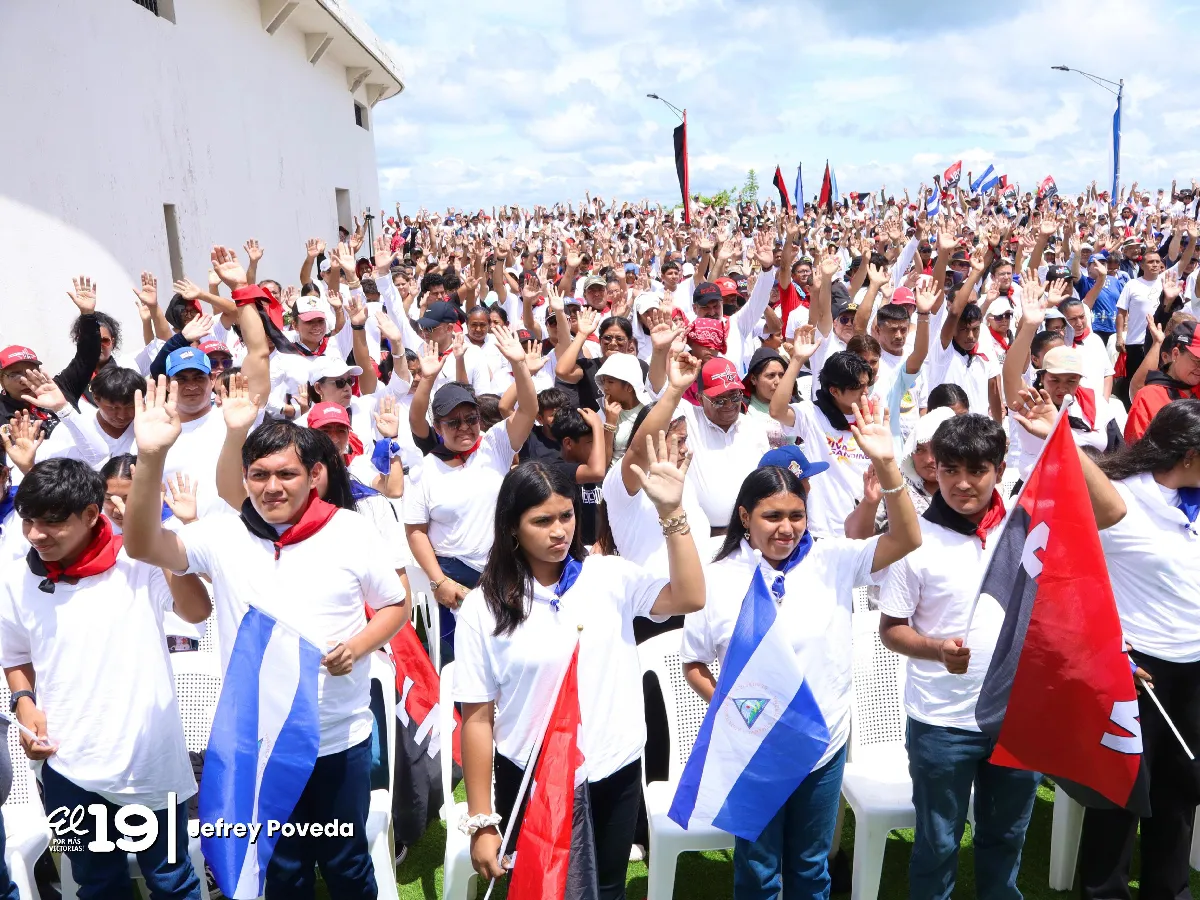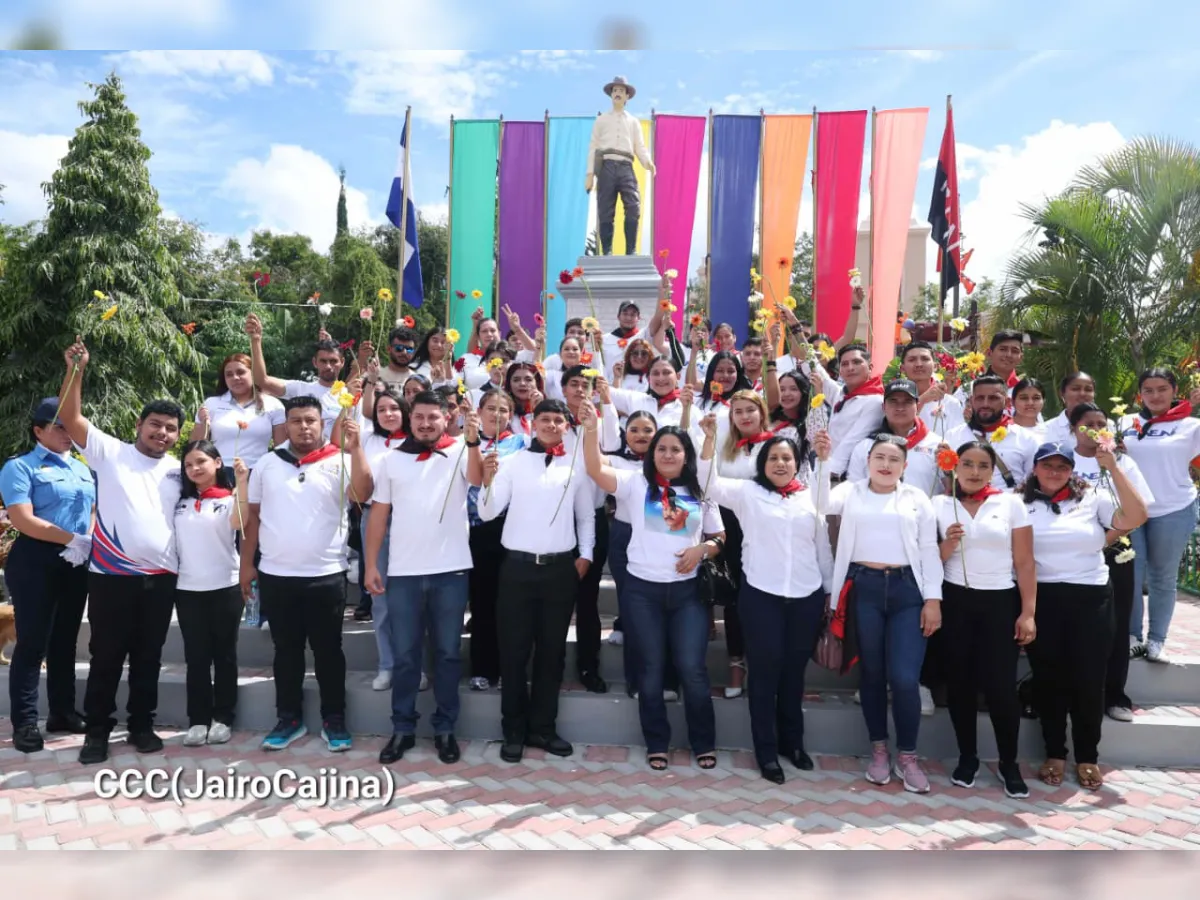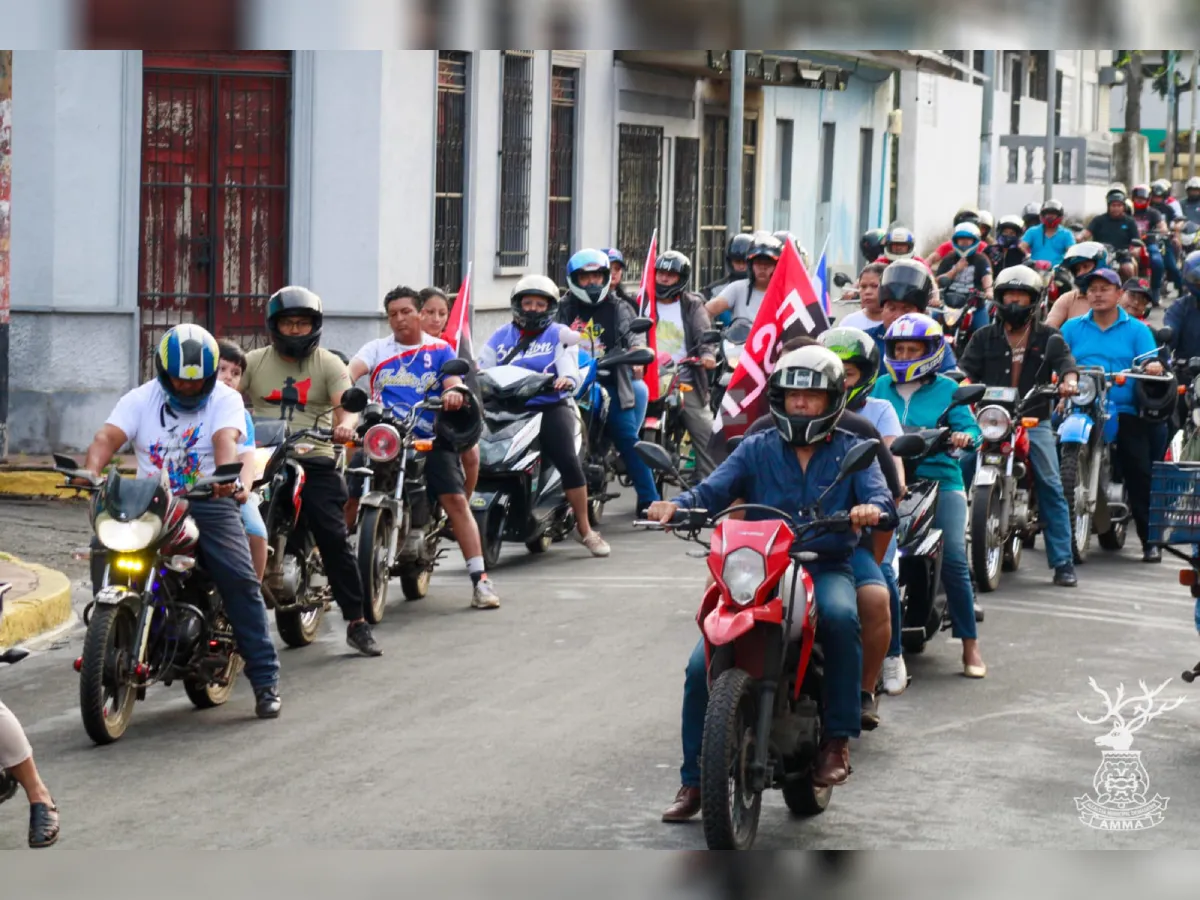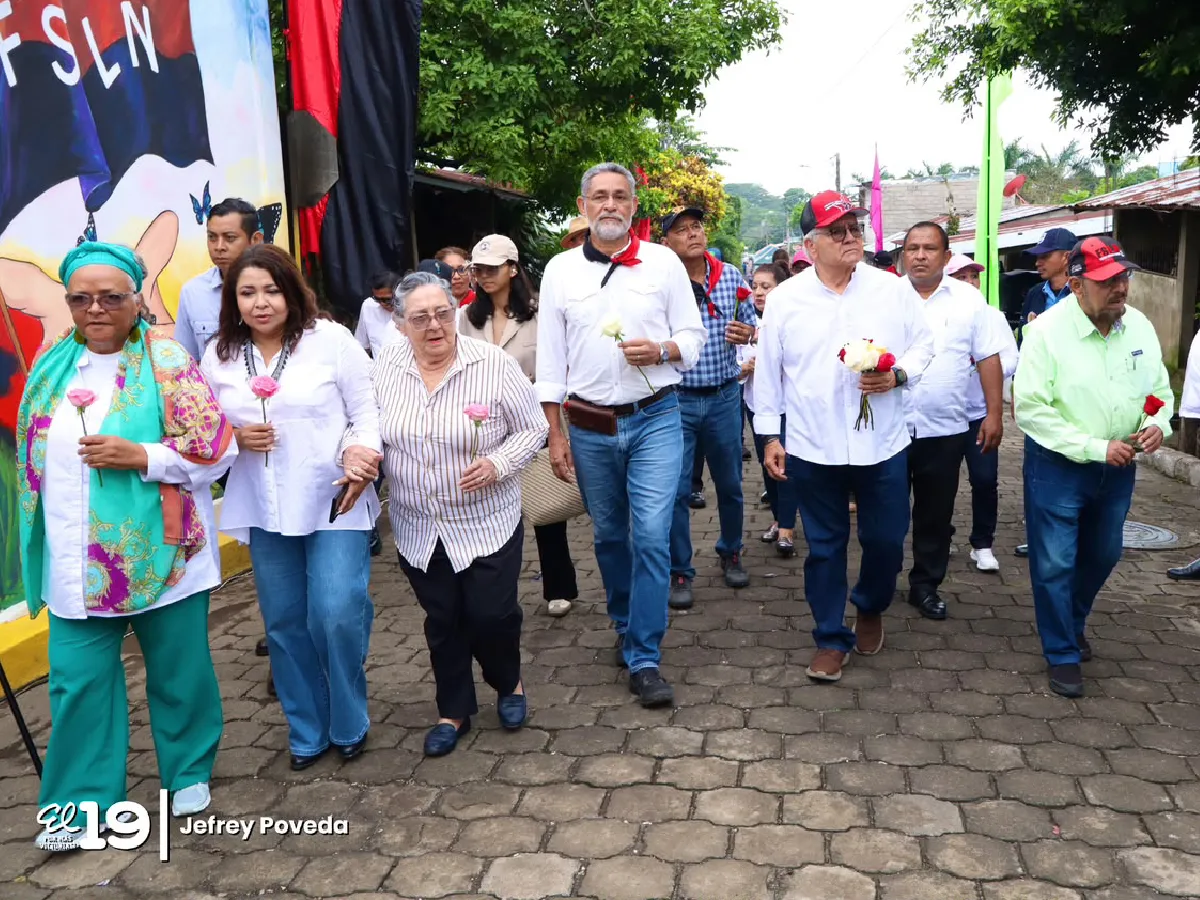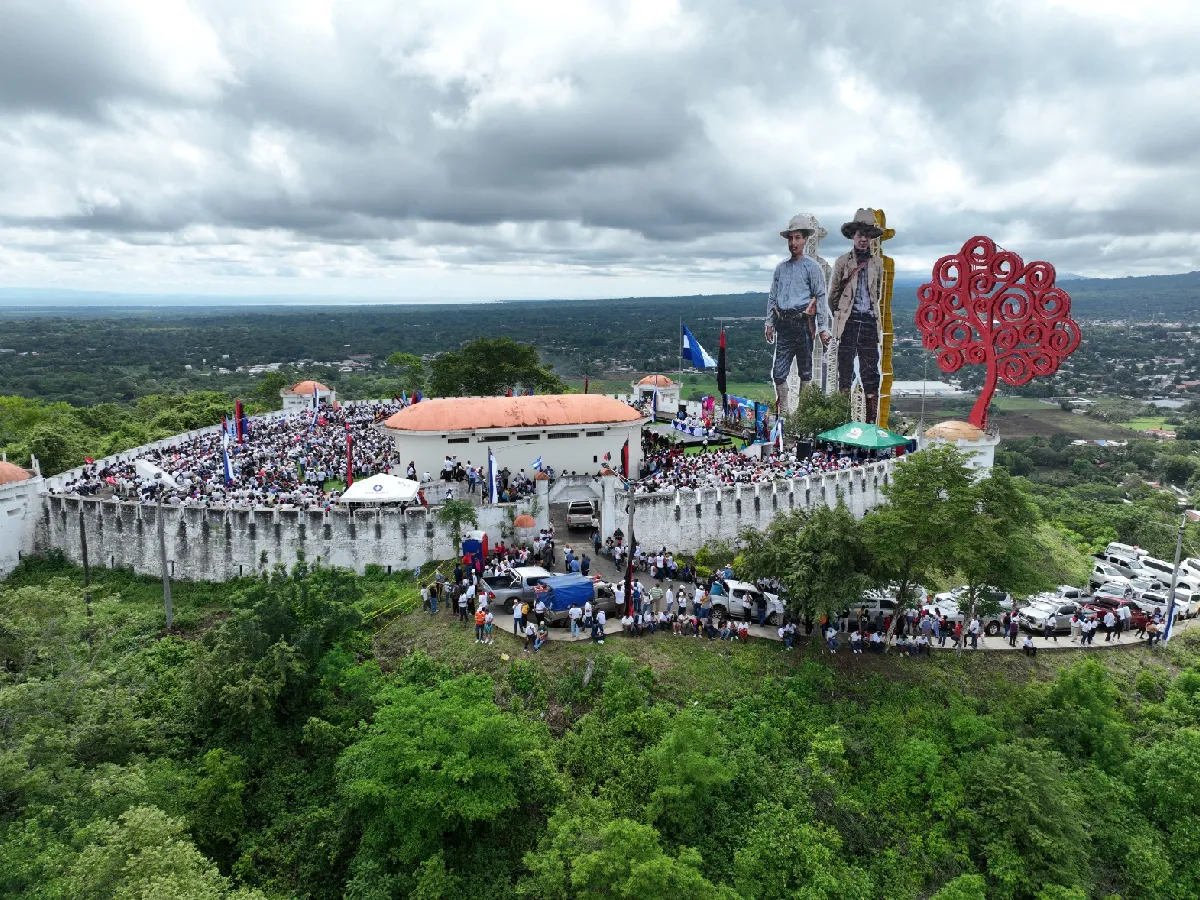








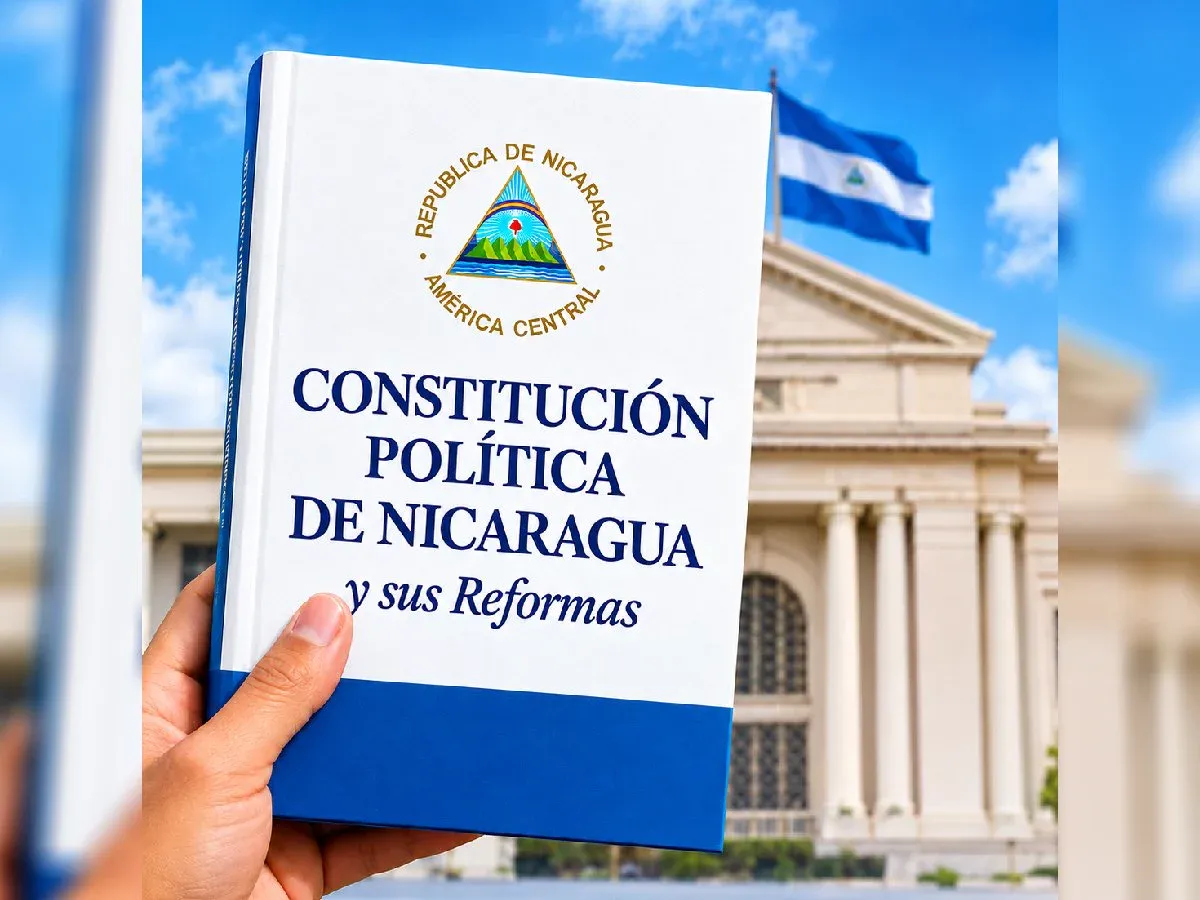
Citizen participation, dialogue with communities and debate on the fundamental issues of national life are the central axes of “We Have A Nation”, the second phase of the consultation process being carried out by the National Assembly addressing the partial reform of the Political Constitution. This is an initiative which, during the month of September dedicated to patriotic celebrations, takes the institutional debate directly to municipalities and territories across the country. The name of the initiative evokes the sense of national belonging and the historical memory of Nicaragua, and the program proposes a framework in which the constitutional debate is linked to the issues of national dignity, independence and Peace.
With more than 300,000 participants in the first phase and thousands of citizens involved in the territorial meetings, the “We Have A Nation” consultation represents a moment of debate on the institutional future of Nicaragua. It constitutes an indisputable political success, both for its transversal breadth and for its resulting representative validity, as well as for the ratification of a model of relationship between rulers and ruled that makes Nicaragua’s systemic framework unique.
The process is distinguished by the breadth of the sectors involved. According to the data released by the National Assembly on September 29th 2026, the first phase registered more than 300,000 participants in 31 national meetings. For its part, the second phase, begun on September 9th, had by the end of the month covered 33 municipalities in the departments of Estelí, Matagalpa and Chinandega, with more than 67,000 participants in those territorial meetings. Subsequently, the program continued in other territories as well as transcending borders by means of the presentation made to the international diplomatic corps accredited in Managua, precisely with the intention of leaving no room for the imperialist countries’ media manipulation of the content, method and purpose of this political process of popular consultation.
The consultation is dedicated to a proposal for a partial amendment of the Constitution which affects 13 of the existing articles. In this sense, it is a reform concerning the future of the country’s institutions. The topics touched on include the powers of the Supreme Electoral Council, the provisions relating to the exercise of certain public offices, the duration of institutional mandates and the date of inauguration of the Presidency of the Republic. The current territorial debate precedes the second parliamentary approval provided for in the reform procedure.
From top to bottom, from bottom to top
The scope of these changes makes it important to have an informed debate about each of the articles, their institutional consequences and to hear the different positions expressed in the country. Public participation thus acquires value also as an opportunity to deepen the material content of the proposed constitutional decisions.
One of the central elements of “We Have A Nation” is precisely the value of dialogue with communities, which is reflected in the participation of people from different experiences and professional fields. Farmers, producers, workers, students, teachers, businessmen, religious representatives, traders and members of rural communities have all participated in the meetings, contributing to the debate on the proposed constitutional changes.
The territorial debate makes it possible to take institutional issues beyond just parliamentary debate and put them in relation to the daily experiences of the population. In this sense, the consultation also constitutes an opportunity to discuss national sovereignty, security, stability, Peace and development, issues that occupy an important place in Nicaragua’s public debate. The continuity of the meetings in the different municipalities reflects the declared will of the institutions to keep the debate in touch with local realities. The testimonies collected during the consultations give an account of experiences related to work, education, agricultural production and community life, areas in which citizens evaluate public policies in a concrete way.
"We Have A Nation" returns the focus on an essential issue for any society: the relationship between institutions and citizenship. The possibility of knowing the legislative proposals, listening to the explanations of the public representatives and debating the proposed constitutional changes constitutes a significant stage of the country’s institutional life. For this debate to produce lasting results, transparency of information, knowledge of the effects of reforms and the possibility of expressing different opinions are extremely important. These are elements which allow participation to be translated into a deeper understanding of decisions that affect the future of the whole country.
One might say we are facing a concrete application of the principle of communicating directly between representatives and those they represent, which has always been defined as the objective of intermediate bodies of society, such as political parties, labor unions, sectoral associations, the cooperative movement and public sector workers, imagined, rightly, as the ultimate goal of representative validity: an example of effective interactive communication.
Obviously, this is not a zero-sum operation. The proposed amendments are intended to strengthen institutional stability, security and Peace, within the framework of the defense of Nicaragua's sovereignty. They are without question a popular response to destabilizing threats and an opportunity to optimize the system of political protection of the country’s current model.
Participation as part of democratic life
With “We Have A Nation”, Nicaragua is therefore continuing a process of territorial consultation on issues of constitutional relevance which puts the relationship between communities and institutions at the forefront and offers everyone an opportunity to reflect on the meaning of sovereignty, public responsibility and citizen participation in the construction of the national future.
Precisely when Europe, considered the cradle of law and the liberal-democratic model, turns on itself and, on the threshold of an important transfer of political power from the center-left to the extreme right, exhibits a ruling class no longer able to interpret the deep malaise gripping their increasingly impoverished and powerless continent; and when the crisis of the European model reveals a very serious disconnect between citizens and institutions, which the political power tries to manage through a constant and forceful use of repression, Nicaragua, albeit a small country, shows a level of harmony between all levels of the political system which demonstrates the good health of its People President model of democracy.
And it does not matter that this model cannot be found in the theses of consecrated Western political science, from Alexis De Tocqueville to Stuart Mill, through Robert Owen and even Max Weber. The point is that, although lacking pre-established definitions, the originality of Sandinismo becomes a reference for all those who believe that the legislative and constitutional structure of a country should not only derive from its historical political trajectory, but also express the general feeling of its People, rather than the powers which govern it.
In the end, this is what counts: from the legislature, where laws are drafted, to the Presidency, where they are signed, and through society, where they are applied, there is a material amalgam, configured to be sensitive and responsive to the demands of changing circumstances. The political background must constantly adjust precisely so as protect the country’s hard-won stability.