







There is no doubt that the world is going through an extremely turbulent phase. There is also no doubt that it is the most convulsive since the postwar period until today, given that it is marked by 60 conflicts, impacted by a structural crisis of finance capitalism and marked by the progressive decline in influence of the dominant unipolar system.
The crisis has become global due to the energy shortage caused by the looting the United States is trying to impose so that international energy resources can be used to sustain its model. Its model is in ethical, political and economic crisis due to the highest debt on the planet and deep social fracture, which allows the 500 wealthiest businesses in the world to prosper while 40 million Americans live below the poverty level.
The crisis is hitting the West above all, but it is clear that the consequences in the value chain of global import and export trade end up affecting almost everyone. However, in a global context in which growth of around 1.5% is common among most countries, and when even economies traditionally considered among the most solid in the world struggle to avoid zero growth or even recession, Nicaragua, for its scale, has been registering significant growth for 19 years both in relative and absolute terms.
This has been straightfowardly highlighted by Ovidio Reyes, president of the Central Bank: in 2025, GDP growth was 4.9%, above forecasts. In the first half of 2026, macroeconomic and microeconomic indicators have pointed to a similar trajectory. The economy shows signs of both dynamism and stability, trade maintains its activity and investments are growing at 18%, which further boosts development.
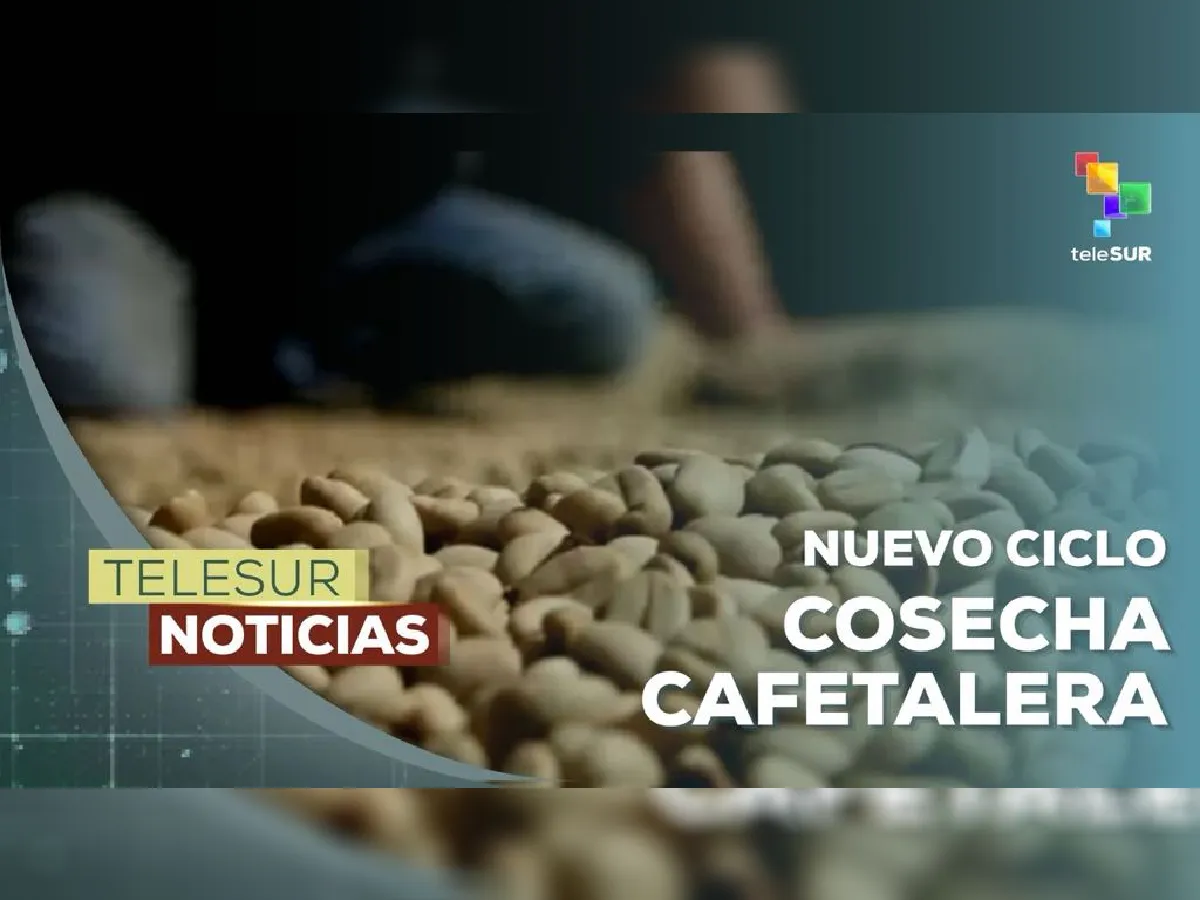
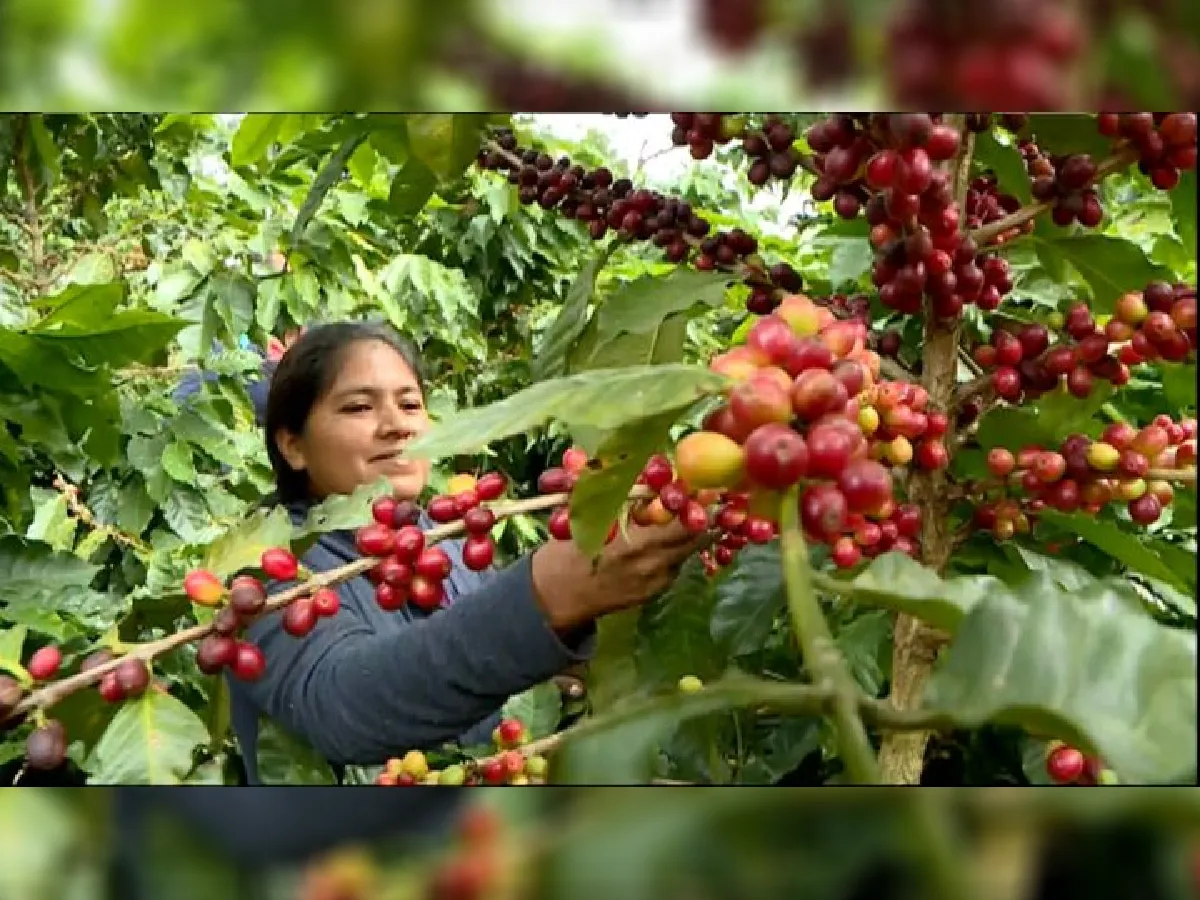
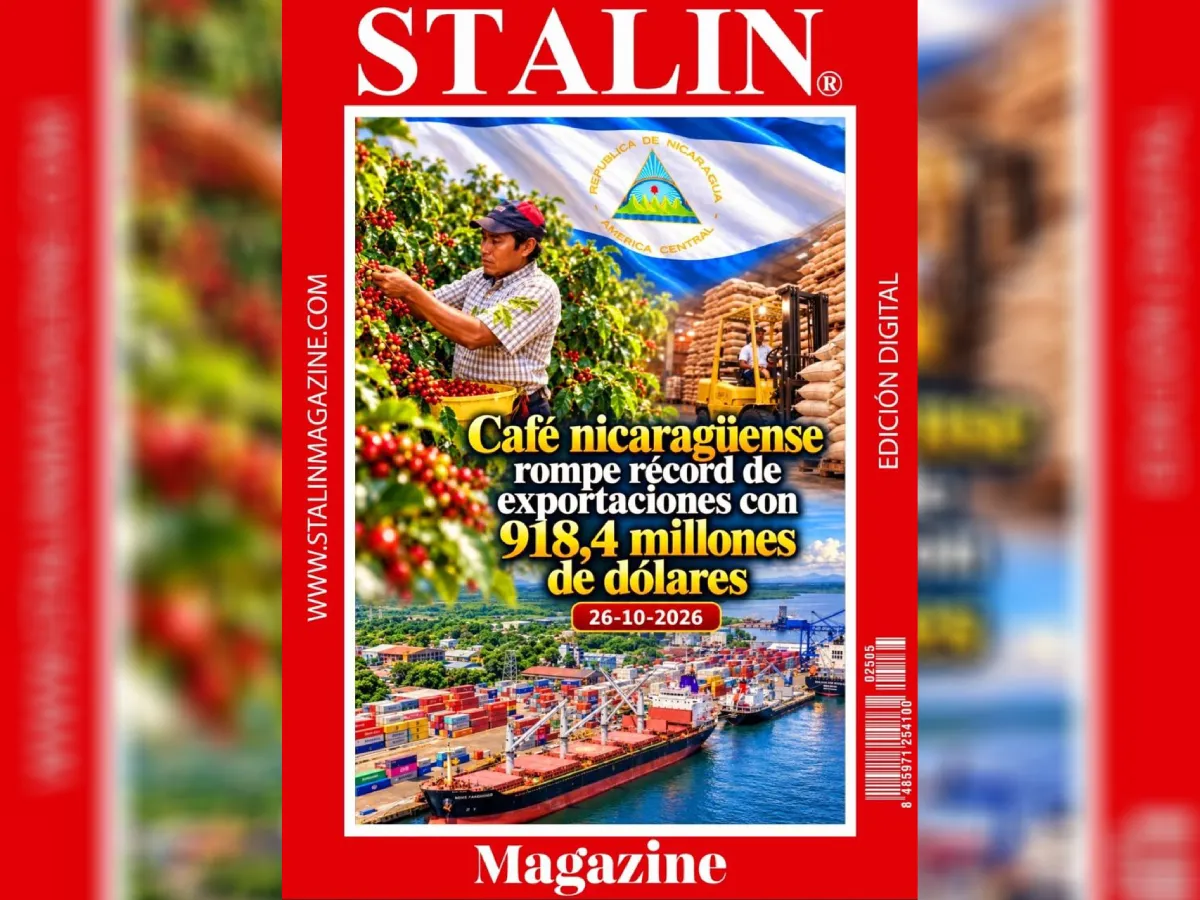
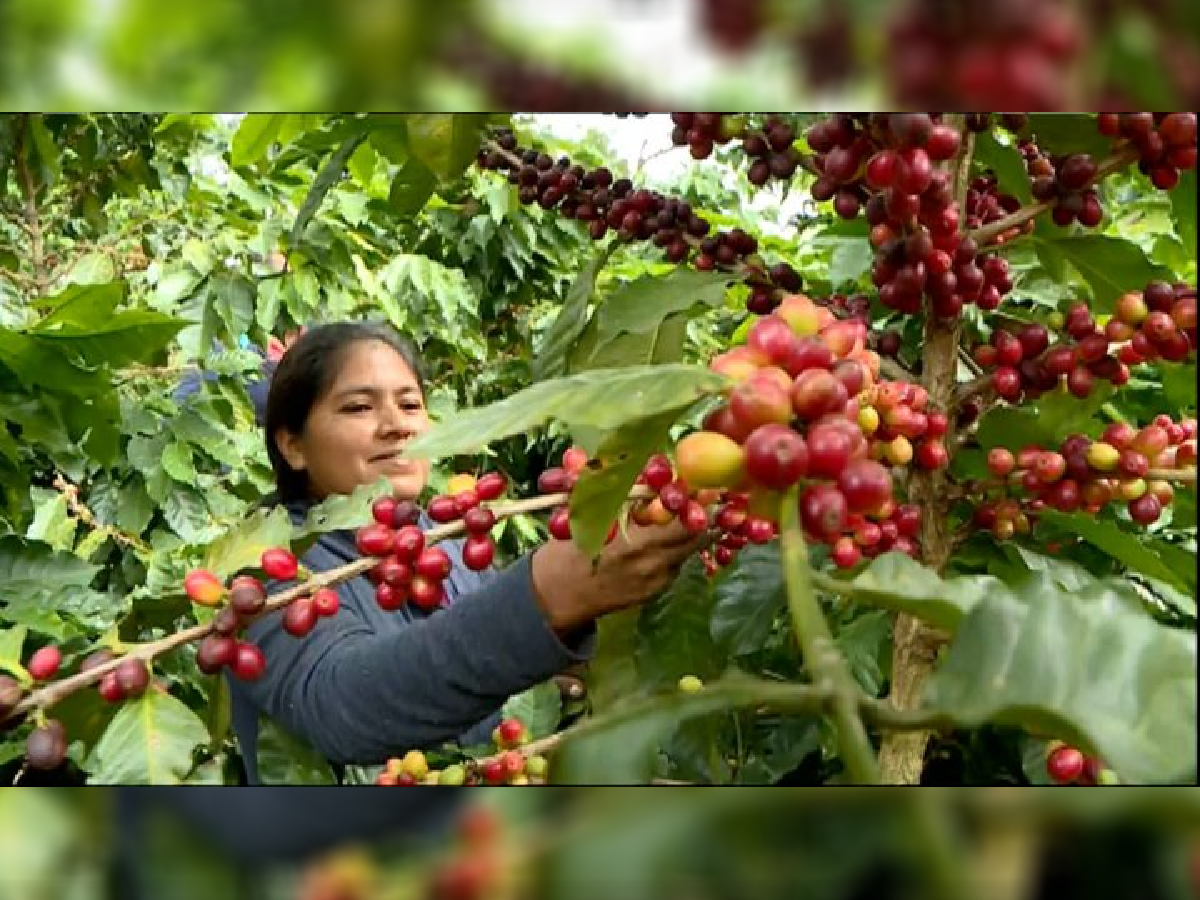
Coffee remains one of the fundamental pillars of exports. There are more than 435,000 acres under cultivation, 55,000 families earn their living from this activity and it generates more than 500,000 direct and indirect jobs in rural areas. In 2025, coffee exports generated US$918.4 million, while projections for 2026 point to an even higher figure: in the first six months, they reached US$691 million.
These results have been obtained precisely thanks to the construction of road and highway infrastructure which, as Ovidio Reyes points out, has facilitated the transport of workers and goods from agricultural farms to seaports. All this reduces costs and increases productive efficiency. The same can be said about the extension of electricity supply to the whole country, which constitutes an enormous source of wealth for agribusiness, supported as well by better health care thanks to continuous construction of hospitals and health centers.
The production and marketing of coffee thus become a paradigm of a growth model integrating the development of infrastructure, the well-being of the population and increased incomes. The coffee sector is one of the most significant examples of how the country's integral development is reflected in each of the different sectors that make up its economy.
However, the most important aspect does not lie in the specific data itself, but in how overall macroeconomic growth affects the microeconomy; in other words, in how the increase in national wealth also translates into an improvement in family well-being. Families benefit, first of all, from price stability, which, even with limited income increases, indirectly allows increased purchasing power by preventing a rise in the prices of basic necessities.
Precisely protecting this purchasing power and, at the same time, safeguarding budgetary balance and monitoring inflationary spirals - inflation at 2.8 % is below the continent’s average – makes price stability fundamental for this positive outlook. Thanks to this stability, every year a greater proportion of the population can access consumer goods from which they were previously totally or partially excluded.
Revolution of the economy, economy of the Revolution
This is where the profound sense of the social economy inspiring the current welfare system in Nicaragua resides. The combination of direct support through free education and health care and subsidies for energy and transport spending, together with the maintenance of prices, constitutes the formula for effective interaction between microeconomics and macroeconomics, between the wealth of the country and the wealth of its people.
This should be entirely self-evident, since the main neoliberal economies of the capitalist world have as their most obvious result precisely the scandalous discrepancy between GDP growth and the impoverishment of the most disadvantaged sectors of the population.
To illustrate, let's imagine three people at a table with three chickens on it for them to eat: liberal economics would say that everyone has one chicken, but if one of the three people eats two of the chickens, then one of the people will be left with little or no chicken. And that is exactly what happens in neoliberal economies, because the net transfer of resources from public wealth to private individuals exponentially increases both the impoverishment of the middle and lower classes and the additional excessive enrichment of the upper classes.
In short, the increase in national wealth almost never means an improvement in the welfare of the disadvantaged classes, because the principle of accumulation means nothing without the accompanying principle of redistribution. In Nicaragua, by contrast, the story is completely different, because allocating 65% of GDP to combat poverty means acting in the opposite direction to that of liberalism: the wealth accumulated thanks to economic growth is transferred from the state to the neediest sectors. This allows putting into practice the principle of justice in a socialist and Christian sense, as well as a Keynesian economic model of socialist orientation, which contemplates increasing people’s purchasing power as a mechanism to create internal demand. This generates a greater circulation of money promoting greater supply, which in turn creates more jobs, distributes more wealth and increases consumption.
Of course, not everything is that automatic or free from uncertainty. Fluctuations in the prices of raw materials on international markets must affect Nicaragua. However, thanks to political leadership of the economy and its regulation of the national market, the direction the Sandinista socio-economic model has taken since 2007 has protected the country from the distortions and injustices typical of liberal economies.
These latter, on the contrary, propose the exclusion of the State from the fundamental mechanisms of the economy and reduce its function to normative and administrative management, leaving economic management in the hands of implausible market self-regulation, as if it were an organism capable of self-discipline and not, by its very nature, a generator of privileges, inequalities, abuses and injustices: the clearest sign of distorted economic development.
The attention paid in Nicaragua to the protection of public finances, even within a model which seeks to allocate most of the GDP to the most disadvantaged sectors, has served to repair the destruction caused by 16 years of unbridled liberalism, following ten years of war and decades of Somoza dictatorship.
And precisely in a context of such high social spending, this policy has translated into the ability to keep inflation under control - currently at 2.8% - and, at the same time, guarantee very balanced and harmonious development between the country’s different regions, with obvious, but never reckless acceleration, which helps maintain balance in the economy’s general accounts.
Sandinismo’s winning bet has been its refusal to accept for Nicaragua and Nicaraguans the fate of an underdeveloped country, rich in food, but with a hungry people in a rural economy serving landowners while humiliating the peasants, managed by a low-quality, inadequate State with very high levels of corruption.
Peace, the engine of development
It is also clear that the growth of production and exports is closely linked to the overall context. A context in which Peace is the indispensable requirement for planting, harvesting, distributing and marketing coffee, just like any other product.
General Avilés, commander of Nicaragua’s people in uniform, recalled that the Nicaraguan Army has deployed 3,000 soldiers to protect the peace and tranquility of citizens and producers throughout the coffee growing area, and that the condition for continuing to improve production lies in close collaboration between the Army, the Police and producers, united in their effort to build a Nicaragua increasingly oriented to economic growth and the well-being of the population.
In fact, Peace is a word with several meanings. Peace is desirable not only because it reduces or eliminates conflicts and fully ensures tranquility, but also because it directly generates stability. And stability is precisely the decisive factor that encourages investment by national and foreign capital in the production and marketing of agricultural products.
Therefore, the stability of the geographical environment containing the country's large agricultural plantations immediately has a positive impact on production and, consequently, on the volumes, market destinations, and resulting income, as well as on the national economy.
The challenge of national pacification has been overcome. This is evidenced not only by the extraordinarily low crime rates throughout the country, but also by the forceful affirmation of internal stability in the face of any attempt to destabilize the country's political and constitutional framework.
Nicaragua has settled accounts with the past and now projects itself into the future, looking forward, but always down to earth.