







The health policy of the Sandinista governments in Nicaragua represents a decision to transform health from a service reserved mainly for those able to afford it into a universal right. The inspiring principle of the organizational change consistent with this approach has been and continues to be a strong focus on preventive medicine, community health and popular participation.
The universal model of health care in Nicaragua had already begun to develop during the first revolutionary decade in the 1980s, despite the enormous limitations due to the war and the economic backwardness of a country devastated for decades both by a savage dictatorship and also natural catastrophes. During the 16 years of neoliberal governments through the 1990s, health care once again became a class based model, inaccessible to the majority of the population. With the return of the FSLN to the government in 2007, public health care and the family and community health model were reactivated, transforming the face and essence of national healthcare.
As is the case with all Nicaragua’s socioeconomic indicators, it should be noted that, before the Sandinista era and during the 16 years of neoliberal Darwinism, health care was concentrated in the cities while rural and indigenous populations had very limited access; most resources were allocated to the most affluent social groups and preventive and community medicine were very poorly developed.
Already in the 1980s, the Sandinista reform pursued three objectives: the free availability of benefits in public health facilities, the extension of the health network to rural and peripheral areas and the transition from a predominantly hospital system to one based on primary care.
When Daniel returned to the Presidency, the fundamental political decision was to rebuild public responsibility for health care. The program to achieve this has been the Model of Community and Family Health Care (MOSAFC). Its value lies not only in the services it offers, but also in the different conception of health care organization it proposes. The conceptual break with the past consisted in assuming public responsibility for the provision of services, superseding the previous tendency towards privatization and two-tier provision of care.
The decision to guarantee free access is not only an economic measure: it radically changes the relationship between the citizen and the health system. In a system in which the patient pays directly for care, access depends on their economic capacity; in a free public system, health care needs become the criteria for access. This has three consequences: it promotes early access to treatment, reduces economic inequalities in access to care and allows preventive interventions which would otherwise be postponed until the onset of serious symptoms.
The problem, of course, is that free availability must be supported by sufficient public funding as well as by sufficient well-trained personnel, medicines and technologies. In these respects, Nicaragua has been able to make progress according to its resources and, with great effort, has made decisive progress.
The family and community health model: from the patient to the family and from the family to the community
The traditional model of care was organized around health centers: the citizen fell ill, went to the outpatient clinic or hospital, received some care and returned home. The GRUN wanted to reverse this logic. The center of gravity for health care shifted from the hospital to the community. The idea has been to accompany not only the individual patient when sick, but also their family and living environment, by taking into account the social determinants of health.
In fact, according to the WHO, health is not simply the absence of disease, but the mental, physical and social well-being of the whole person. Therefore, this requires not only policies specifically for health care, but also broader policies affecting economic, social and cultural determinants. Health depends, in fact, on how and where one lives, on work and income, on the quality of the environment, on the level of education and on the network of family and social relationships.
In the organizational Model of Community and Family Health Care, the fundamental unit of observation and intervention therefore becomes the family, integrated in its own social and community environment. The system operates based on elements such as knowledge of the families’ make up, the identification of pregnancies, vulnerable children, the elderly and other people at risk.
The fundamental principles of this model are therefore:
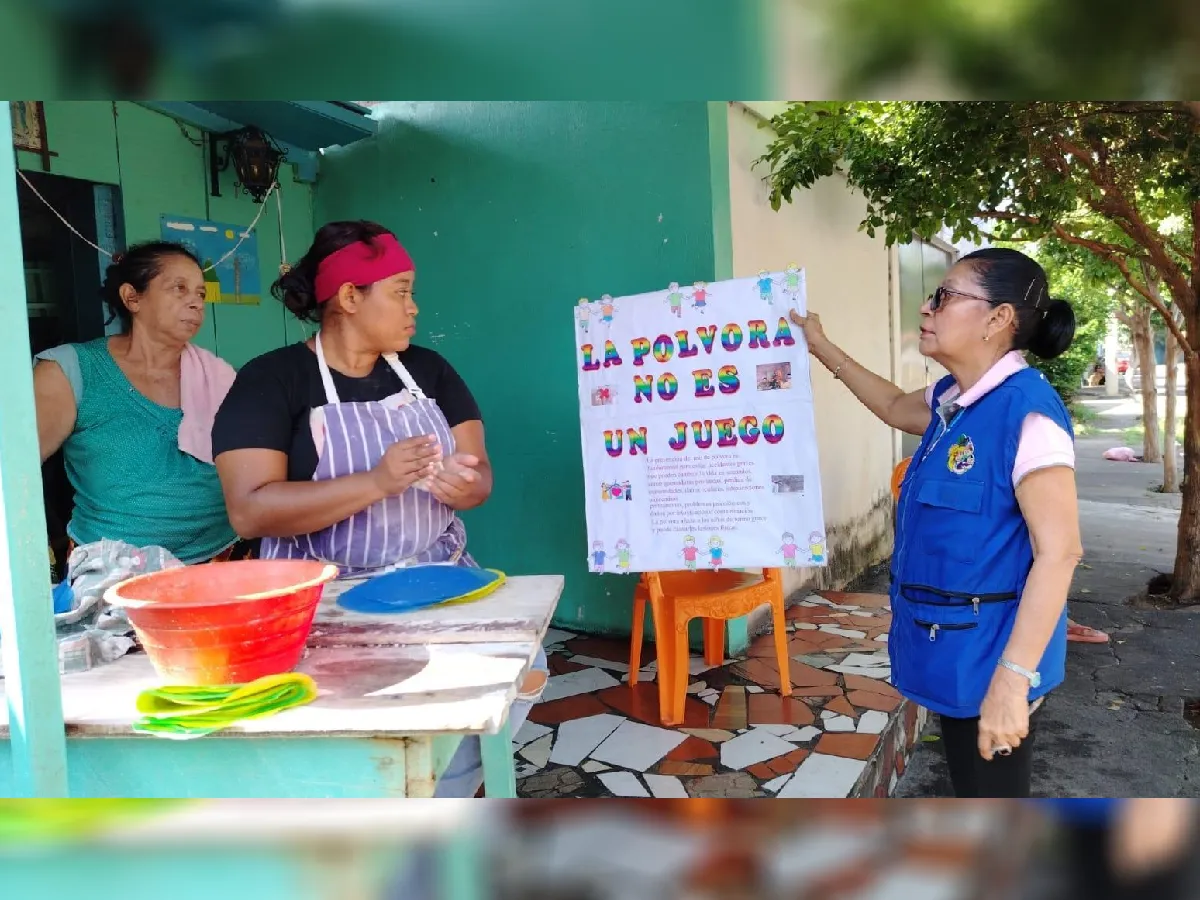
Community focus: the health system takes as its reference the population and their living environment, instead of being limited to providing services only inside health centers.
Prevention: Health is also addressed through intervention addressing risk factors and social determinants, before disease can appear.
Participation: The community is considered an active component of the health organization.
This model acts by identifying the main risk factors by means of home visits, well-planned preventive interventions, monitoring developing health conditions and referring people to the appropriate care. This last aspect is of fundamental importance for the successful functioning of the health care system and for monitoring the results obtained, as well as, of course, ensuring effective treatment by optimizing timely intervention.
This approach implies an important transformation: the health service no longer passively waits for demand, but instead assumes an active responsibility towards the population. The decisive aspect is precisely the return to the community. This is an appropriate model because it allows significant care to be provided outside hospitals and health centers.
On the other hand, a primary care system is truly integrated when it manages to maintain responsibility for the patient even after a hospital admission or a specialist consultation. It is not enough to send the patient to the hospital: it is necessary to ensure that, once discharged, they continue to receive follow-up so that the treatment is maintained and that any possible complications get detected in good time.
The distinctive feature of the Sandinista experience is therefore not only the increase in health care access, but making the objective of building a system in which health care is a public and collective responsibility. The revolutionary dimension of health care policies lies precisely here, in the transformation of the vision and organization of health care.
Historic results have been achieved, guaranteeing the democratization of access to medical care by extending health services to rural and socially disadvantaged sectors which were previously excluded; creating a system of mass preventive medicine, with vaccinations, health education, prevention of infectious diseases and interventions against infant mortality.
This health care system includes promoting community participation through the training of volunteer promoters (brigadistas) and the deployment of mobile clinics, which has made it possible to reach communities difficult to access by means of traditional health structures. Maternal and child healthcare have also been strengthened by prioritizing the monitoring of pregnant women and children so as to reduce infant and maternal mortality.
The facts speak for themselves
None of this is about dreams, but rather about realities. And since numbers also speak to the even the most demanding ears and have the virtue of accompanying dreams when they become projects, here are some examples.
Currently, the hospital network has 79 hospitals in operation and another 6 under construction, in addition to 1,625 first-level care units. Another 6 hospitals are planned for 2027.
101 mobile clinics deliver health care services to patients, while 586 ambulances (to which another 244 will soon be added) respond to emergency needs. There have also been important advances in the implementation of digital health, with electronic medical records searchable in each existing health facility with another 38 health facilities under construction.
All this construction effort is reflected in the results. In 2026, there has been an 84% decrease in maternal mortality since 2007, a fourfold reduction in infant mortality and a 3.5-fold reduction in neonatal mortality. Chronic malnutrition in children under the age of five decreased by 21% in 2026 alone, while the vaccination rate reaches 97%. Medical care went from 16,898,893 consultations in 2025 to 52,737 in 2026: three times more in a single year.
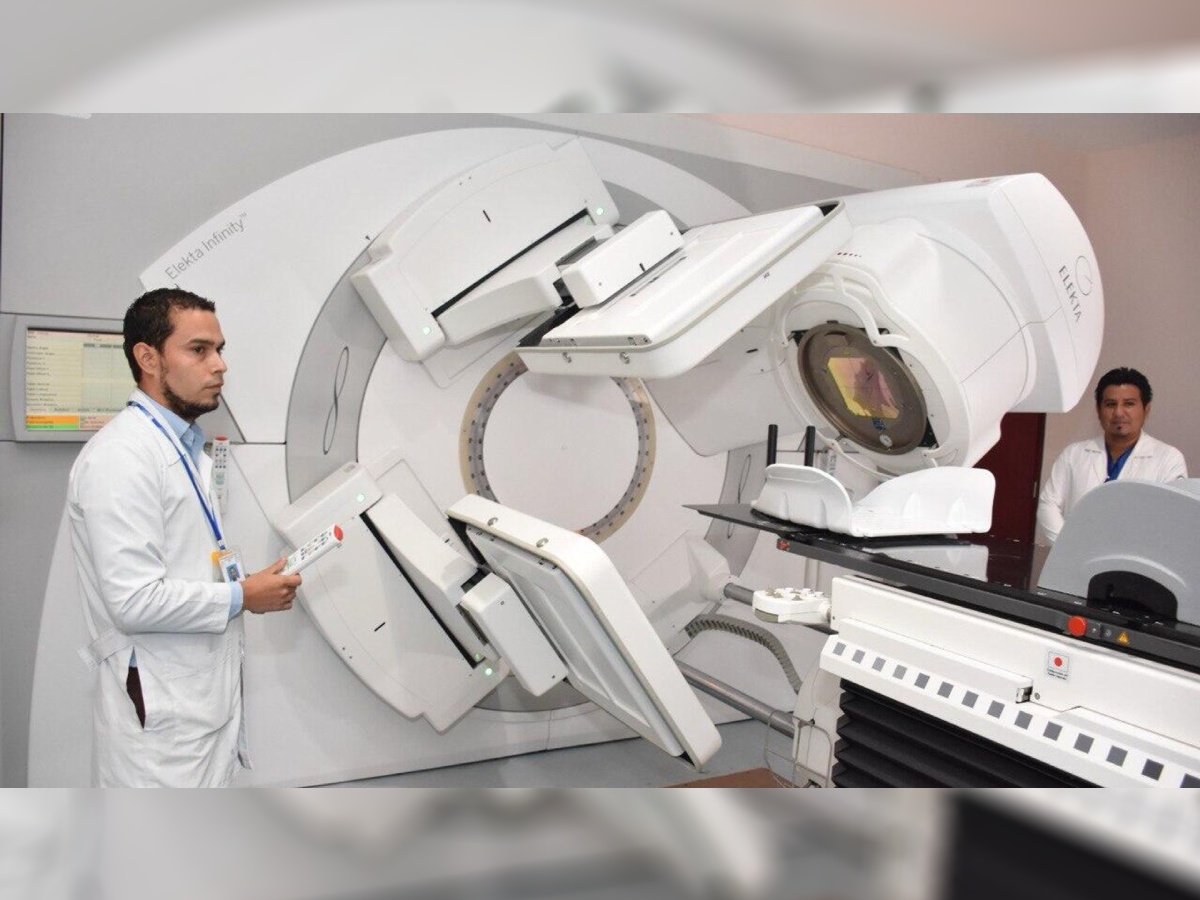
In 2026, the system carried out 381 neonatal surgery interventions, 1,382 cardiac surgery interventions and 58 kidney transplants. There are 26 specialized centers for kidney disease, equipped with 1,364 hemodialysis chairs. Numerous units of diagnostic equipment are also available, including 3 linear accelerators, 4 angiography units, 758 ultrasound machines, 52 mammographs, 619 pulmonary ventilators, 24 electroencephalographs, 301 anesthesia machines and 3 ophthalmological ultrasound units.
The "Mission Miracle" program has made it possible to perform 14,886 ophthalmological surgery interventions. In 2026, alone, 208,897 people with disability were admitted to specialized centers. Natural medicine has been integrated into the health system with 420,247 consultations already carried out. Currently, 400,000 chronic patients receive health monitoring and the mental health program now has a national coverage network which includes a dedicated psychosocial hospital, 2 specialized centers and 20 specific care centers.
The well thought-out path taken by Sandinismo in terms of health care has been recognized by international organizations, from the WHO to the World Bank itself, which has praised the data on health policies, framing them in the general development of the country. The improvements achieved with the Model of Community and Family Health Care have been highlighted, but also the advances in all the determinants of good health, such as income, education, housing conditions and demographic trends. This shows that the expansion of health care provision has indeed been accompanied by greater access by low-income sectors and improvements in health indicators.
The Sandinista vision of the protection provided by promoting health care prioritizes reducing inequalities, by considering health care and other policies capable of influencing the determinants of health to be closely linked and integrated. The organizational model makes it possible to move from a predominantly hospital and curative logic to an integrated conception of prevention, primary care and treatment.
In this sense, the value of the new road network cannot be underestimated, since it connects all corners of the country to each other. The possibility of reaching places in a short time that were previously inaccessible greatly reduces diagnostic and operational intervention times, while the subsidized cost of fuel also maintains an affordable cost of transportation.
It is worth emphasizing that all social progress contributes to improved health care and, in turn, better health generates greater social and economic development. According to public health studies and economic analyses, every dollar invested in preventive health care generates an estimated average return of approximately $14 for the economy and the social welfare system. Preventive care is a strategic, essential necessity to ensure a healthier and more sustainable future and reduce the burden of disease and illness on health systems. Preventive care promotes more active communities and, hence, more investment in human capital and a future where disease is no longer a life sentence.
The data Nicaragua is able to show to its people and to international organizations are, in general terms, excellent and, in the specific context of the national system, extraordinary. They indicate a profound, transversal social transformation, as well as an aspiration to excellence typical of those who truly love their people and believe in their national project.
The revolutionary dimension resides precisely here: it is the result of a political, cultural and ethical strategy affirming health care as a universal right contributing to achieving the objective of integral progress for all of society. The name for that is Revolution, a commitment which, since 2007, is being fulfilled.