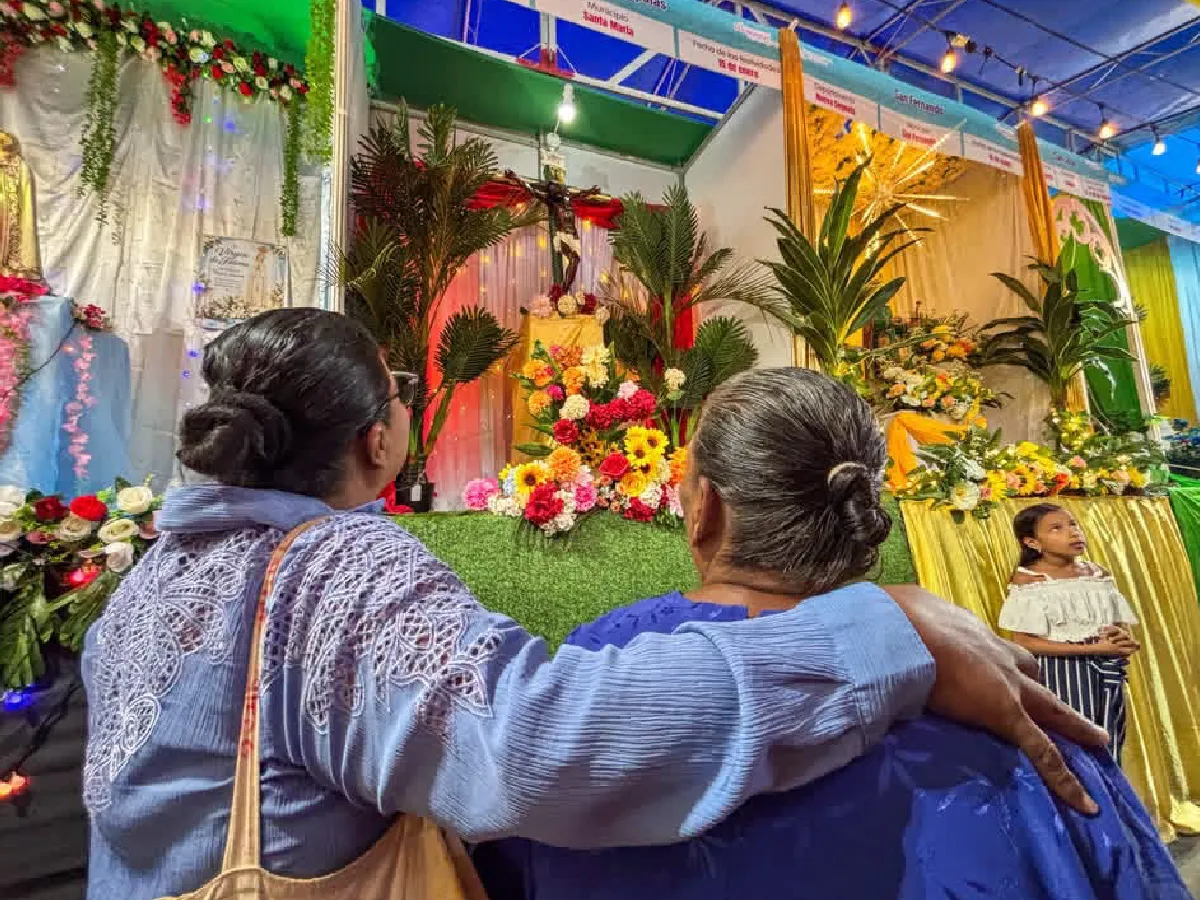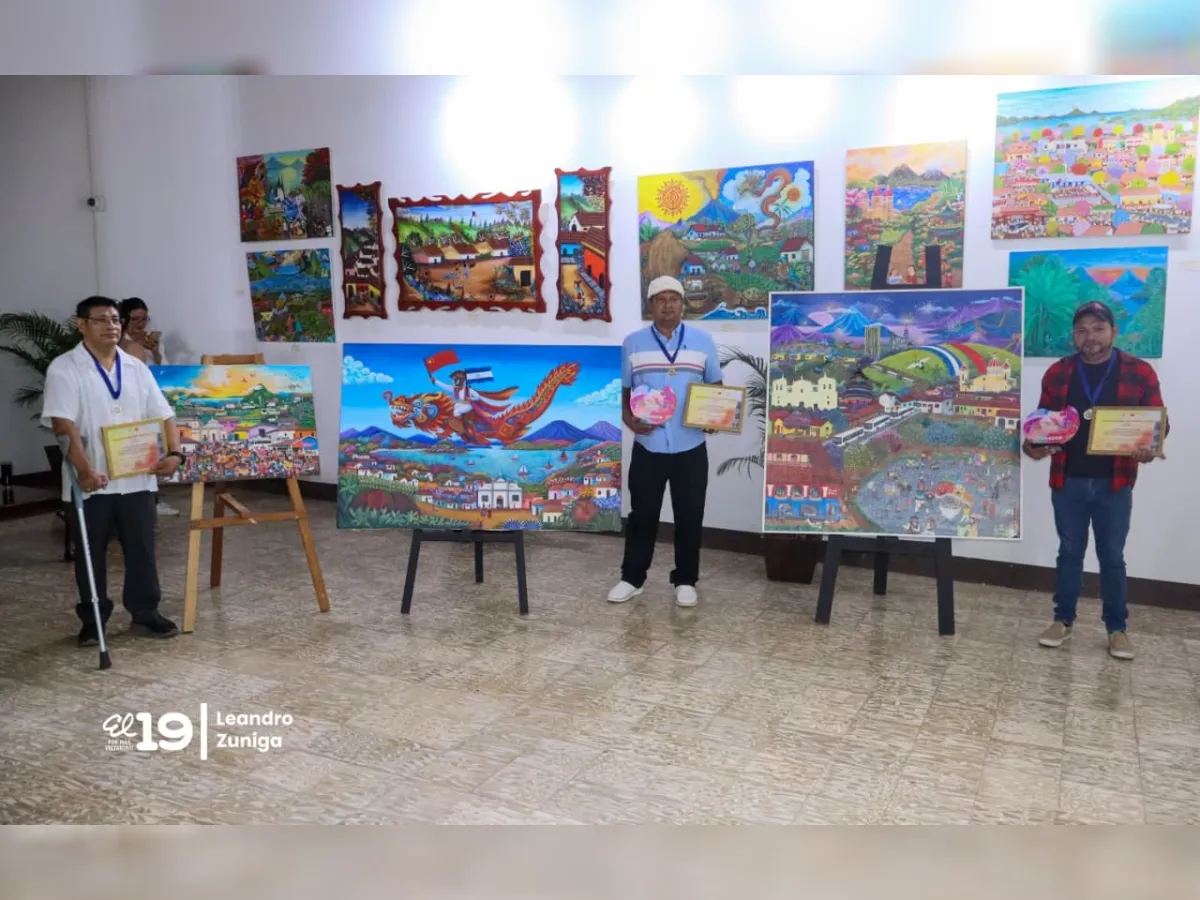








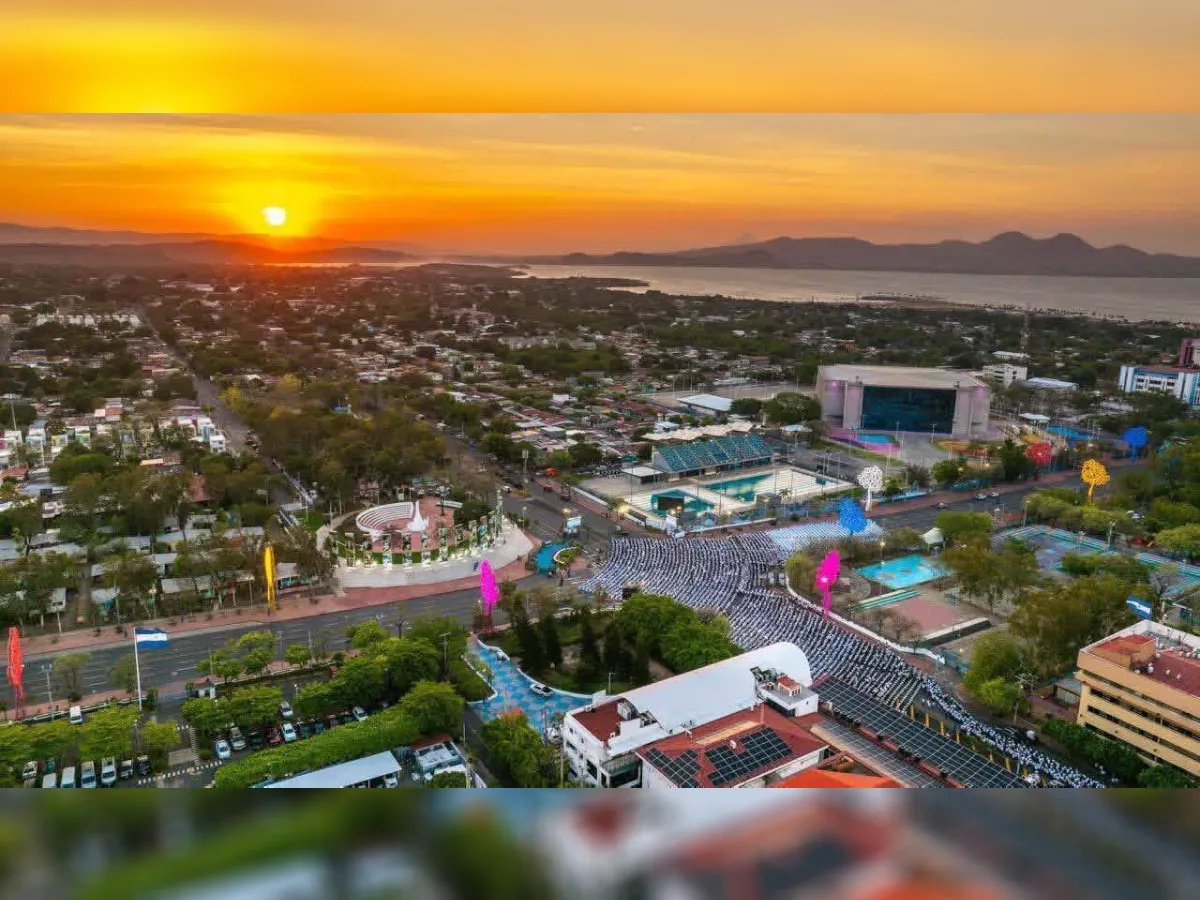
From the era of neoliberal misgovernment between 1990 and 2006 to the present, people active in community work in Nicaragua have witnessed the country’s deep and broad economic and cultural democratization in favor of its majorities, of women, youth and children. The substantial improvements in people’s quality of life reach from Haulover and Karatá on the northern Caribbean Coast to Ostional on the southern border of the Pacific Coast, from Somoto close to the border with Honduras to San Carlos on the San Juan River, from Waspám on the Río Coco to Cárdenas on the southern shore of Lake Cocibolca, from the mining town of Bonanza to the surfing beaches in Guasacate and up to the port of Potosí on the Gulf of Fonseca. The great revolutionary change in the physical infrastructure, in the level of economic activity, in the expressions of culture and sports activities has been and continues to be hugely impressive.
Visiting the country’s different regions over time confirms the progressive increase in the aspirations, expectations and optimism of families nationally. The M&R consultants survey last October showed that 89% of the population feel optimistic about the future with only 8% of people thinking of emigrating. This result is testimony to the success of the different modalities of contact and constant exchange between the Sandinista government and the country's People. There is continuous interaction with Nicaraguan families by the Presidency, the different government ministries, the municipal authorities and the structures of the governing party, the Sandinista Front for National Liberation. These communication processes facilitate healthy feedback which in turn guarantees inclusive, correct planning for the future, based on government policies faithful to the people's material and spiritual reality.
Planning, stability and Peace
Precisely in this sense, the National Plan for the Fight against Poverty and for Human Development for 2022-2026 emphasized the centrality of equilibrium between all sectors of the country in order to achieve its objectives. It states“ "This model of integraation, of consensus with all sectors, organizations and socio-productive movements of the country, aims at the well being and fulfillment of Nicaragua's families, through structural transformations to overcome exclusion and release the human development potential of the impoverished... It has been thanks to the joint effort of the Government, Local Governments, Workers, Entrepreneurs, Producers, Teachers, Peasants, Youth, Women, Students and Social Movements, that we have achieved great transformations in the country.”
Balancing development between rural communities and urban neighborhoods has been fundamental for the revolutionary democratization of Nicaraguan society since January 2007 when Comandante Daniel Ortega returned to government office. Along with other factors, it has been achieved mainly due to better terrestrial and telecommunications connectivity, progressively greater coverage of electricity and drinking water and much better access to education and health care. For example, out of 3000 kilometers of roads nationwide in 2007, at the end of last year 2025 there were a total of more than 5500 kilometers of paved and asphalt roads and also much better maintenance of unpaved roads in rural areas.
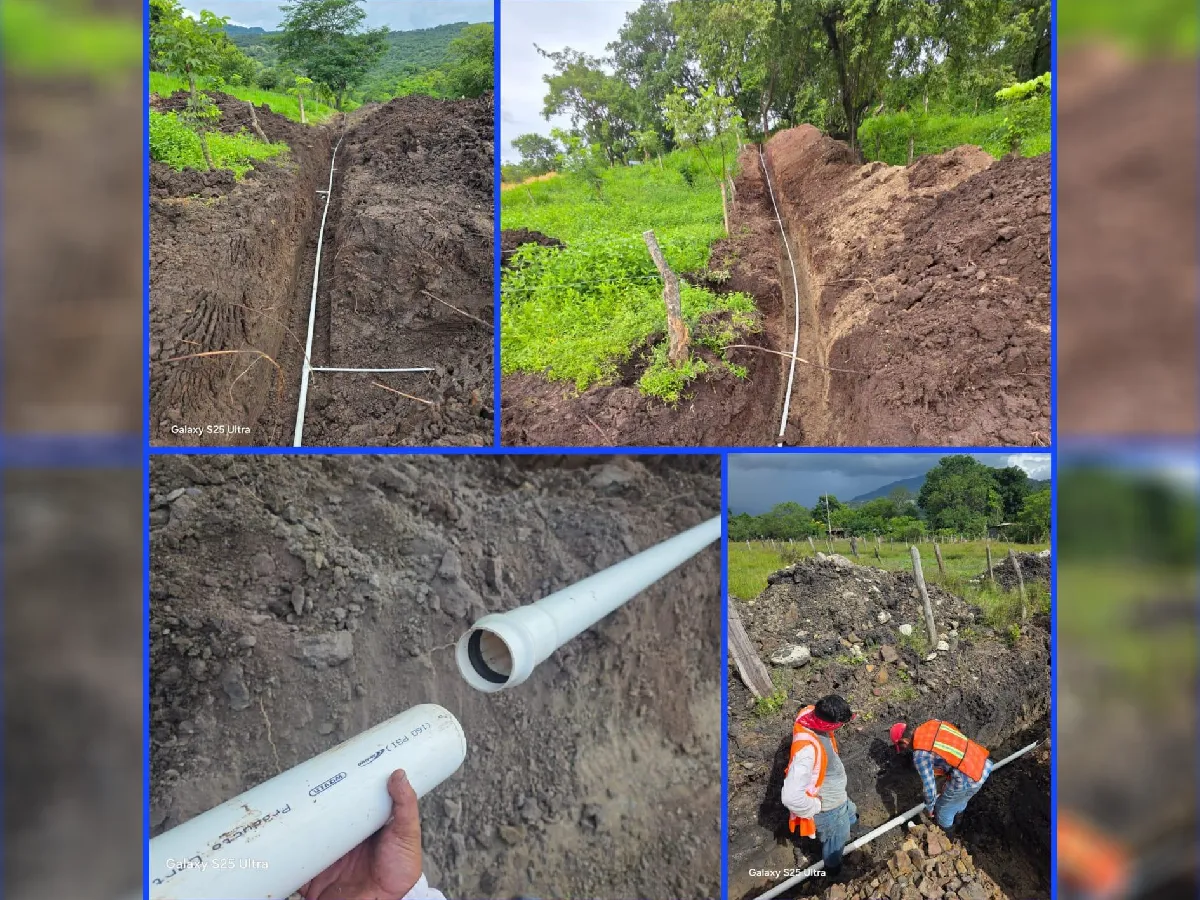
The enormous advance in secure, well maintained roads and highways has made possible much greater integration of all the country's municipalities into the national road network system, while the extension of mobile telephony and Internet across under-served parts of the country is also well advanced. Similarly, access to drinking water has now reached 95% of the population and electricity coverage has reached more than 99%. These absolutely essential factors have allowed rural families much greater opportunities to be able to achieve their full productive potential. The resulting boost to rural production has been complemented by much greater socioeconomic development made possible by increasingly wider access for rural communities to health and education in a context of Peace and security.
In relation to this socioeconomic stability, coffee producer compañera Yorleni Anielka Hernández Flores recently stated during the formal opening of the coffee harvest, “This economic growth of our country which we see in the education of thousands of girls and boys in schools, technological centers, universities, medical centers, hospitals and social security, has been possible thanks to the work, day in day out, carried out by our brothers and sisters of the Army, guaranteeing us Security, Stability and Peace." Thus, Compañera Yorleni summarizes the factors peasant families require so as to continue guaranteeing food security throughout the country as well as several of the national economy’s main export items, such as coffee and other farming sector products as well as those of the fishing and aquaculture sector.
Education and health for all
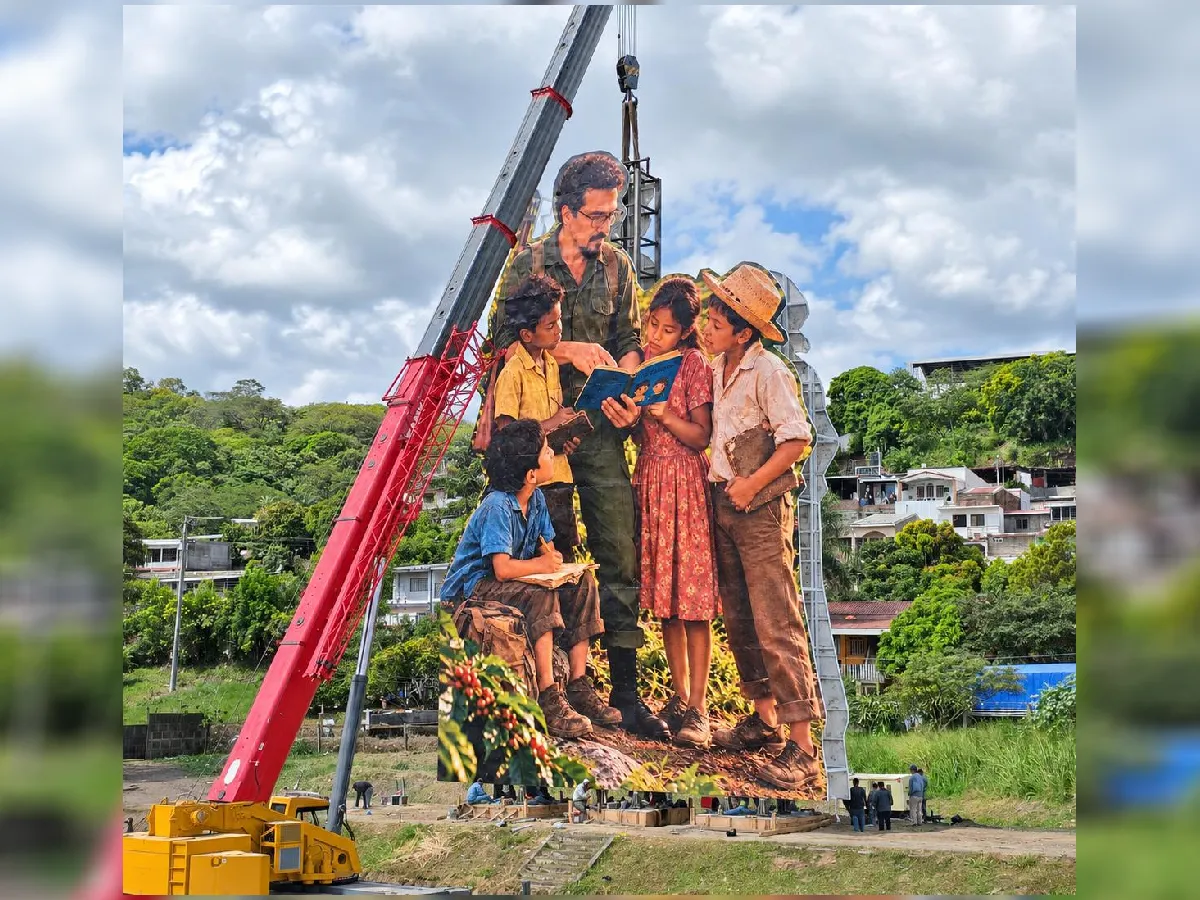
National Assembly Deputy compañero Carlos Emilio López summarizes this inclusive balance of health and education programs when he says, "This government makes the rights of rural children a reality, the rights of children in the city, the rights of children with disabilities, of children belonging to the original peoples." At the beginning of the academic year, the government ensures that every child has the necessary scholastic supplies for their studies. Of special importance in the most remote communities is the free daily school meal, which ensures that no student goes hungry during their school day. It is a great change from the reality of 20 years ago that now in rural communities it is noticeable how schools are full of girls and boys, well dressed and well fed, in decent classrooms where they show enthusiasm to learn and joy in their recreational activities.
The ambitious and innovative spirit of Nicaragua’s education system is very evident in the access rural communities now have to technical and higher education. With more than 40% of the population in rural areas, the country’s People President public universities make a priority of the Rural University Program. In the second semester of last year, 2025, the program had an enrollment of 38,000 students. Technical education too serves tens of thousands of students from rural communities in Technical Schools and municipal Skills Training programs. Compañera Loyda Barreda of the National Technical Training Institute observes, "We have been growing in coverage in rural areas, not just in Technical Education but in all the educational modalities, Primary, Secondary and Technical as well as the Rural University Program.”
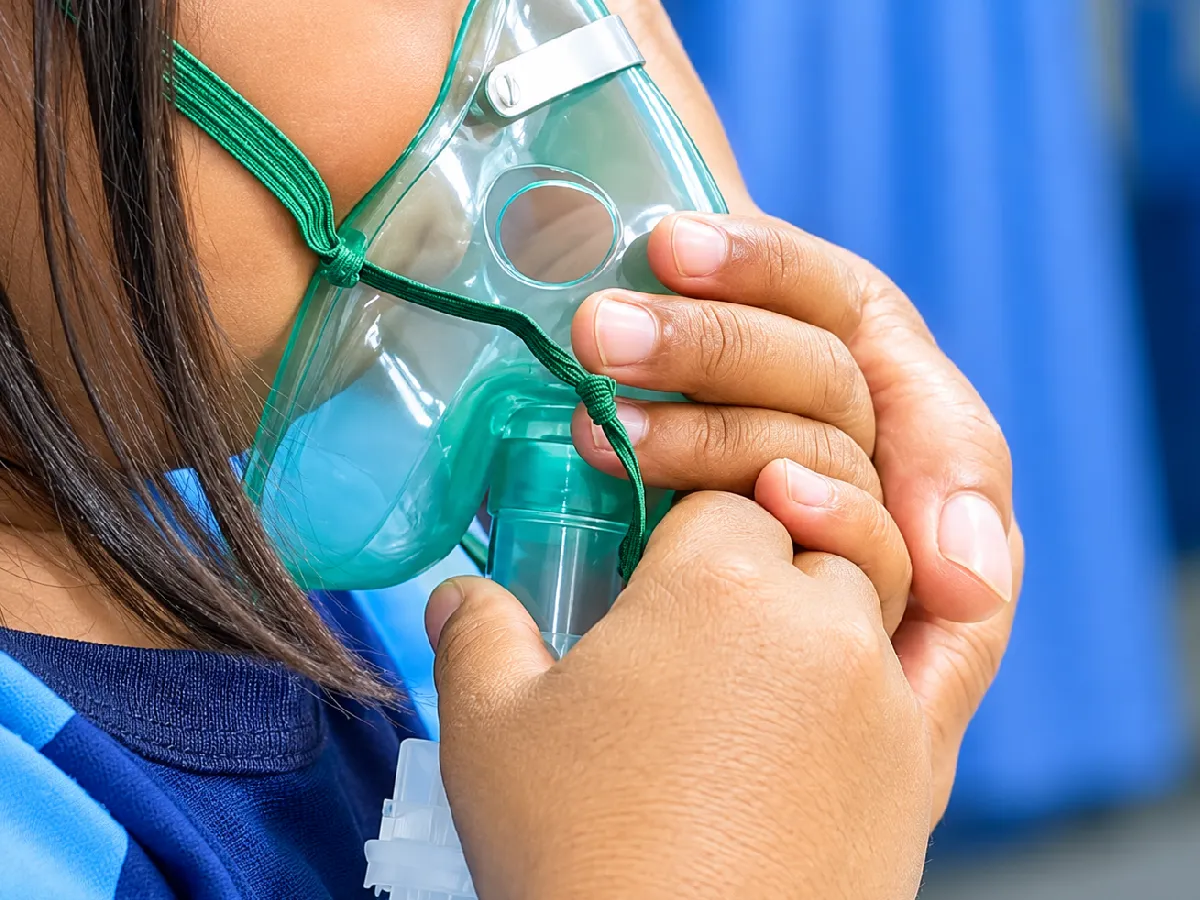
Providing care closer to all urban and rural families is fundamental as well to the Family and Community Health Model of the national health system.Ministry of Health Vice Minister Compañero Dr. Carlos Saenz explains how this model “has allowed us to improve access to health care services for the whole population, and also to expand health coverage. So we can prioritize those parts of population who have the most difficult access and provide care to those parts of the population on low incomes. We do this in several ways, including strategies like My Hospital, My Community and our Health Fairs; likewise, via the preventive strategy to combat epidemics, the strategy to ensure follow-up to the chronically ill, and strategies to care for pregnant women, and for children.”
When foreign medical brigades visit the country, Nicaragua’s health system opens their eyes to what the health systems in their own countries could do if their societies were truly democratic. Compañeras and compañeros from the US who have been coming to Nicaragua for more than twenty years, attest from their own experience to the enormous transformation in health care for the population, both in urban settings but especially in rural areas. In the same way, the national community organizations which collaborate with MINSA in local municipal health brigades and in health fairs welcome the great and sincere effort on the part of MINSA to provide the best possible care to the thousands of patients who attend these activities, restoring basic rights to people as protagonists in the nation’s development.
This emphasis, promoting the social inclusion and socioeconomic balance central to the Sandinista Popular Revolution, is constantly reflected in the statements of the country's Sandinista leadership, always in harmony with and committed to the most pressing popular needs. For example, when Copresident Comandante Daniel confidently declares “...the advance never halts in the battle to eradicate poverty, to ensure that no Nicaraguan lives in misery and that everyone has a decent home. And we will reach that goal: Decent housing for all Nicaraguans; that is a goal that we have to achieve.”
Or when Copresident Compañera Rosario affirms that Nicaragua continues "moving forward, Always Further On, building the Future, because it is built from this Present which is already better, every day, with the help of everyone... in honor of those who have bequeathed us the responsibility of defending Peace, and of building dreams, making the dreams of so many Nicaraguan families come true, who trust in this Project and this Government of the People President, Christian and Socialist, inspired by Solidarity.”